Burnout- What it Really Is
Most people feel stressed sometimes.
Life gets busy. Work becomes overwhelming. Family responsibilities pile up. Sleep gets pushed aside. People tell themselves:
- “I just need a weekend off.”
- “Things will calm down soon.”
- “I just have to push through.”
But burnout goes beyond simply feeling tired.
Burnout can affect emotional health, physical health, concentration, motivation, relationships, and overall quality of life. Over time, chronic stress can leave people feeling emotionally exhausted, mentally overwhelmed, detached, or unlike themselves.
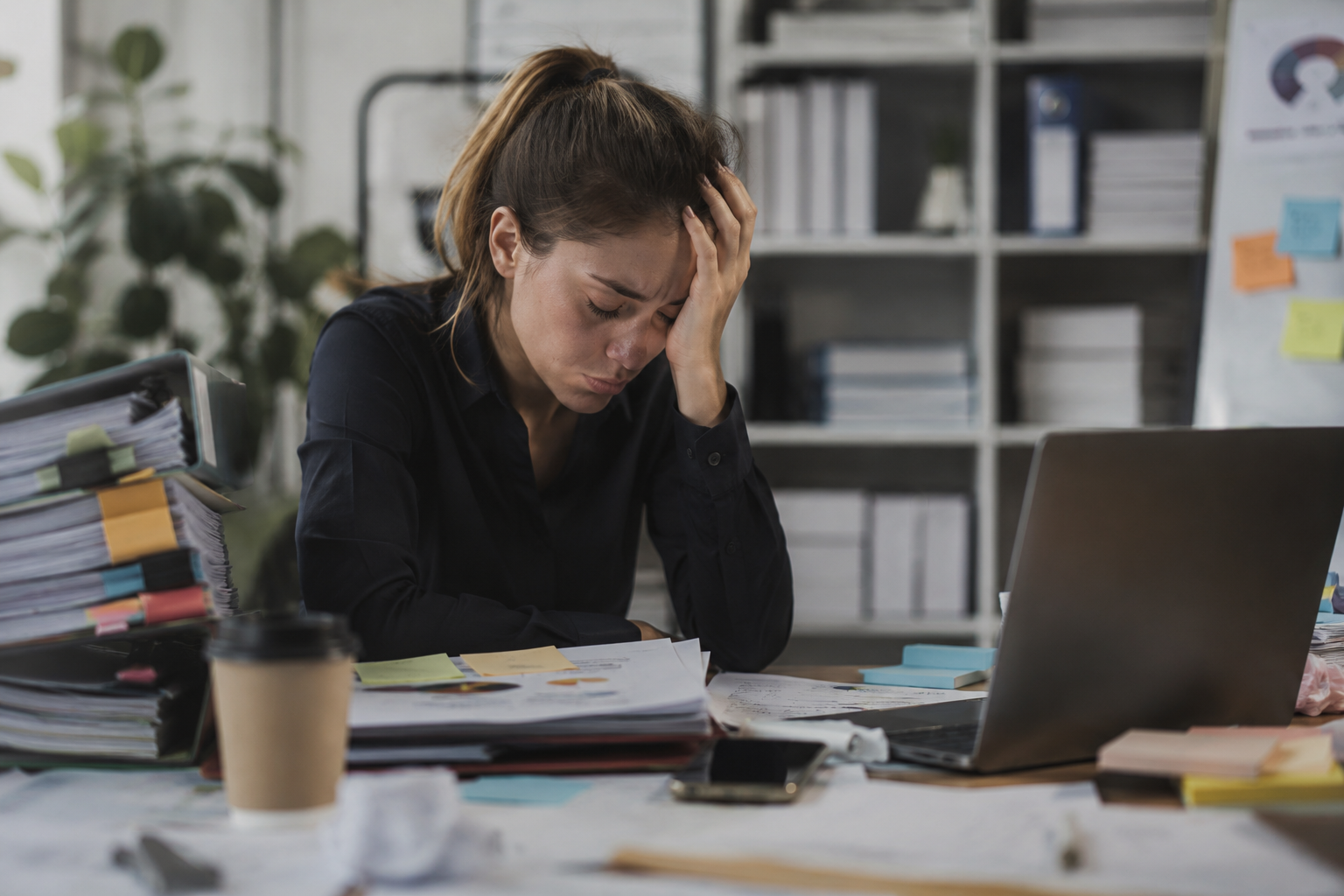
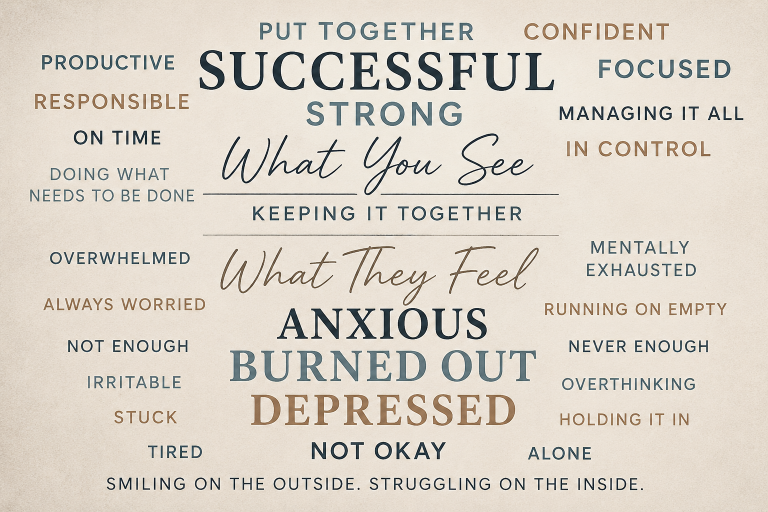
Many people experiencing burnout continue functioning outwardly while silently struggling internally.
If you have ever thought:
- “I feel drained all the time.”
- “I can’t mentally recover anymore.”
- “Everything feels overwhelming.”
- “I’m exhausted even after resting.”
…you are not alone.
What Is Burnout?
Burnout is a state of emotional, mental, and physical exhaustion caused by prolonged or chronic stress.
The World Health Organization (WHO) describes burnout as a syndrome related to chronic workplace stress that has not been successfully managed.
Although burnout is commonly discussed in work settings, chronic stress from caregiving, parenting, school, financial strain, health concerns, or ongoing life stressors can also contribute significantly to burnout symptoms.
Signs Burnout May Be Affecting Your Mental Health
Burnout can look different from person to person, but common signs may include:
Emotional Symptoms
- Feeling emotionally drained
- Increased irritability
- Feeling detached or numb
- Loss of motivation
- Feeling overwhelmed by small tasks
- Increased anxiety or sadness
- Feeling hopeless or cynical
- Difficulty coping with normal stress
Physical Symptoms
- Chronic fatigue
- Sleep problems
- Headaches
- Muscle tension
- Frequent illness
- Changes in appetite
- Brain fog
- Difficulty concentrating
Behavioral Signs
- Pulling away from others
- Reduced productivity
- Increased procrastination
- Difficulty making decisions
- Feeling less patient with loved ones
- Using unhealthy coping strategies more frequently
Some people describe burnout as feeling like they are constantly running on empty.
Burnout Can Happen Even If You “Look Fine”
One reason burnout often goes unnoticed is because many people continue functioning while experiencing it.
They still:
- Go to work
- Care for children
- Attend appointments
- Meet deadlines
- Show up for others
From the outside, everything may appear manageable.
Internally, however, they may feel exhausted, emotionally depleted, and unable to truly recover.
High-achieving individuals, caregivers, healthcare workers, parents, and people with perfectionistic tendencies are especially vulnerable to chronic burnout because they often continue pushing themselves despite significant stress.
Burnout vs. Depression: What’s the Difference?
Burnout and depression can overlap, and some symptoms may appear similar.
Burnout often centers around chronic stress and emotional exhaustion, particularly related to ongoing demands and feeling unable to recover.
Depression may involve:
- Persistent low mood
- Loss of interest or pleasure
- Feelings of worthlessness
- Significant changes in sleep or appetite
- Hopelessness
- Low energy
- Difficulty functioning across multiple areas of life
In some cases, chronic burnout may contribute to worsening mental health symptoms over time.
Because symptoms can overlap, speaking with a qualified healthcare professional can help clarify what may be contributing to how you are feeling.
Why Burnout Is Becoming More Common
Modern life places significant demands on people.
Many individuals are balancing:
- Work stress
- Financial pressure
- Parenting responsibilities
- Caregiving
- Constant digital connection
- Social expectations
- Lack of downtime
- Sleep deprivation
Research suggests chronic stress can affect both physical and mental health over time.
Additionally, many people struggle to fully disconnect from responsibilities because phones, emails, notifications, and social media create a sense of being mentally “on” nearly all the time.
Physical Symptoms of Burnout Are Real
Burnout is not “all in your head.”
Chronic stress can affect the nervous system and contribute to real physical symptoms such as:
- Fatigue
- Elevated stress hormones
- Sleep disruption
- Headaches
- Gastrointestinal symptoms
- Increased muscle tension
- Difficulty concentrating
Stress can also worsen existing physical and mental health conditions.
What Actually Helps Burnout?
There is rarely a quick fix for burnout, especially when stress has been building for a long time. Recovery often involves multiple changes and supports.
Helpful strategies may include:
Setting Boundaries
Learning to protect time, energy, and rest can be important for recovery.
Improving Sleep
Sleep deprivation significantly worsens emotional resilience and stress tolerance.
Reducing Overload
Breaking tasks into smaller steps and reducing unrealistic expectations may help decrease overwhelm.
Social Support
Connecting with trusted people can reduce isolation and emotional exhaustion.
Therapy
Therapy can help individuals:
- Manage chronic stress
- Address perfectionism
- Improve coping strategies
- Process emotional exhaustion
- Develop healthier boundaries
Medication
For some individuals, medication may help if burnout is occurring alongside anxiety, depression, or other mental health conditions.
Treatment decisions should always be individualized and collaborative.
You Do Not Have to “Earn” Rest
Many people experiencing burnout feel guilty slowing down.
They may believe:
- “Other people have it worse.”
- “I should be able to handle this.”
- “I just need to work harder.”
- “Rest is lazy.”
But chronic stress is not sustainable indefinitely.
Mental health matters even if you are still functioning, still working, or still meeting responsibilities.
You do not need to completely fall apart before you deserve support.
When Should You Seek Help?
It may be helpful to reach out to a mental health professional if:
- Exhaustion feels constant
- Stress feels unmanageable
- You are emotionally overwhelmed
- Sleep is consistently affected
- Motivation has significantly changed
- Burnout is affecting relationships or work
- You no longer feel like yourself
Support can help you better understand what is contributing to your symptoms and what treatment options may be appropriate.
Final Thoughts
Burnout is more than simply “being tired.”
Chronic stress can affect emotional health, physical health, concentration, relationships, and overall well-being in significant ways.
Many people silently struggle for long periods before realizing how overwhelmed they have become.
If stress and exhaustion are affecting your quality of life, you do not have to keep carrying everything alone.
Support is available, and recovery is possible.
Frequently Asked Questions
Is burnout a mental illness?
Burnout itself is not classified as a mental disorder, but it can significantly affect mental health and may occur alongside anxiety, depression, or other conditions.
Can burnout cause physical symptoms?
Yes. Burnout and chronic stress can contribute to fatigue, headaches, sleep problems, muscle tension, stomach issues, and difficulty concentrating.
How long does burnout last?
Recovery varies from person to person depending on stress levels, support systems, coping strategies, and overall mental and physical health.
Can therapy help burnout?
Yes. Therapy may help individuals manage stress, improve coping skills, set boundaries, and address emotional exhaustion.
Is telehealth mental health treatment effective?
Research suggests telehealth mental health care can be effective for many individuals experiencing stress, burnout, anxiety, and related concerns.