Many people with anxiety do not appear outwardly overwhelmed. They go to work, answer texts, care for their families, meet deadlines, and continue showing up for others. Friends and coworkers may even describe them as “high achieving,” “organized,” or “driven.”
Internally, though, it can feel very different.
High-functioning anxiety is not an official medical diagnosis in the DSM-5, but it is a term many people relate to when describing chronic anxiety hidden behind productivity and responsibility. People experiencing high-functioning anxiety often appear successful on the outside while privately struggling with constant worry, overthinking, tension, perfectionism, or emotional exhaustion.
If you’ve ever thought:
- “Why can’t I relax?”
- “My brain never shuts off.”
- “I’m functioning, but I’m exhausted.”
- “I feel like I’m always mentally on edge.”
…you are not alone.
What Does High-Functioning Anxiety Look Like?
People with high-functioning anxiety often continue meeting responsibilities despite significant internal stress. Because they are still “functioning,” their anxiety may go unnoticed by others — and sometimes even minimized by themselves.
Common signs can include:
- Constant overthinking
- Feeling mentally “on” all the time
- Difficulty relaxing or resting without guilt
- Racing thoughts, especially at night
- Fear of disappointing others
- Perfectionism or excessive self-criticism
- Trouble saying no
- Feeling responsible for everything
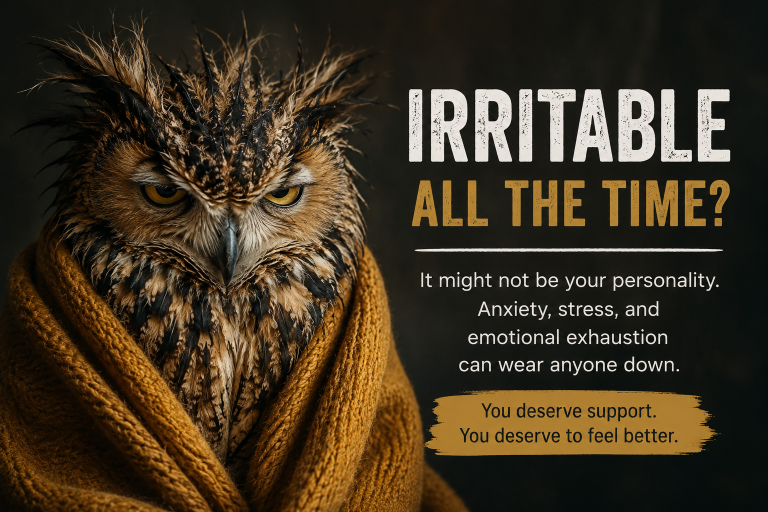
- Chronic tension or irritability
- Difficulty enjoying downtime
- Replaying conversations repeatedly
- Overpreparing for situations
- Procrastination caused by fear of failure
- Burnout despite continuing to push through
Some people also experience physical symptoms of anxiety, such as:
- Muscle tension
- Headaches
- Fatigue
- Upset stomach
- Chest tightness
- Increased heart rate
- Trouble sleeping
Research shows that anxiety disorders can contribute to both emotional and physical symptoms due to activation of the body’s stress response system.
Why High-Functioning Anxiety Can Be Hard to Recognize
One reason high-functioning anxiety is often overlooked is because productivity can mask distress.
A person may:
- Perform well at work
- Maintain relationships
- Keep up with parenting responsibilities
- Continue attending school
- Appear calm externally
At the same time, they may feel internally overwhelmed nearly every day.
In some cases, anxiety-driven behaviors are even rewarded socially. Being “the reliable one,” “the achiever,” or “the person who always handles everything” can make it harder to recognize when stress has become unhealthy.
Many individuals with anxiety also become skilled at hiding symptoms out of fear of appearing weak, lazy, dramatic, or burdensome to others.
High-Functioning Anxiety vs. Normal Stress
Stress is a normal part of life. Most people experience periods of increased pressure related to work, finances, relationships, parenting, or health.
Anxiety becomes more concerning when:
- Worry feels excessive or difficult to control
- Symptoms persist for weeks or months
- Sleep is consistently affected
- Physical symptoms become frequent
- Anxiety interferes with quality of life
- Rest no longer feels restorative
- You constantly feel “on edge”
- Your mind rarely feels quiet
The National Institute of Mental Health (NIMH) notes that anxiety disorders involve persistent fear or worry that does not go away and can worsen over time if untreated.
Why Anxiety Often Gets Worse at Night
Many people notice their anxiety becomes more intense in the evening.
During the day, distractions such as work, parenting, errands, or social interaction may temporarily occupy the mind. At night, when external stimulation decreases, racing thoughts often become more noticeable.
People commonly report:
- Replaying conversations
- Worrying about the future
- Overanalyzing decisions
- Anticipating worst-case scenarios
- Difficulty falling asleep because the mind feels “busy”
Poor sleep can then worsen anxiety symptoms the next day, creating a frustrating cycle.
Can High-Functioning Anxiety Lead to Burnout?
Yes.
Long-term anxiety and chronic stress can contribute to emotional exhaustion and burnout. Some people become so accustomed to functioning under stress that they do not recognize how depleted they have become until symptoms significantly worsen.
Signs of burnout may include:
- Emotional numbness
- Increased irritability
- Feeling detached
- Difficulty concentrating
- Loss of motivation
- Fatigue that does not improve with rest
- Feeling overwhelmed by small tasks
Burnout and anxiety can overlap significantly, particularly in caregivers, healthcare workers, parents, students, and high-responsibility professions.
What Causes High-Functioning Anxiety?
There is no single cause of anxiety. Multiple factors may contribute, including:
- Genetics and family history
- Personality traits
- Chronic stress
- Trauma or adverse experiences
- High-pressure environments
- Perfectionistic tendencies
- Sleep deprivation
- Medical conditions
- Life transitions
For some individuals, anxiety may also coexist with conditions such as depression, obsessive-compulsive disorder (OCD), attention-deficit/hyperactivity disorder (ADHD), or trauma-related disorders.
When Should You Consider Seeking Help?
You do not need to wait until you are in crisis to seek support.
Many people benefit from professional help long before symptoms become severe.
It may be helpful to reach out if:
- Anxiety feels mentally exhausting
- Sleep is consistently affected
- You feel emotionally overwhelmed
- Stress is affecting relationships
- Physical symptoms are increasing
- You feel stuck in constant overthinking
- You are struggling to slow down or relax
- Anxiety is affecting your daily quality of life
Seeking help does not mean you are weak or incapable. It means you are recognizing that your mental health matters.
What Treatment Options Can Help?
Treatment for anxiety is individualized and may include therapy, lifestyle changes, medication, or a combination of approaches.
Evidence-based treatment options may include:
Therapy
Cognitive Behavioral Therapy (CBT) is one of the most well-researched treatments for anxiety disorders. CBT helps individuals identify unhelpful thought patterns and develop healthier coping strategies.
Other therapeutic approaches may include:
- Acceptance and Commitment Therapy (ACT)
- Exposure-based therapies
- Mindfulness-based approaches
- Trauma-focused therapies when appropriate
Medication
For some individuals, psychiatric medication may help reduce anxiety symptoms and improve daily functioning.
Medication is not the right choice for everyone, and seeking an evaluation does not automatically mean medication will be recommended. Treatment decisions should be collaborative and individualized based on symptoms, medical history, preferences, and goals.
Lifestyle Support
Research also supports the role of:
- Sleep hygiene
- Regular physical activity
- Stress management
- Reducing excessive caffeine
- Consistent routines
- Social support
These strategies alone may not fully treat anxiety disorders, but they can support overall mental wellness.
Final Thoughts
High-functioning anxiety can be difficult to recognize because many people experiencing it continue to push through daily responsibilities while silently struggling.
You do not need to completely “fall apart” before your mental health deserves attention.
If your mind constantly feels busy, your body feels tense, or you feel emotionally exhausted despite continuing to function, it may be worth talking with a mental health professional.
Support is available, and anxiety is treatable.
Frequently Asked Questions
Is high-functioning anxiety a real diagnosis?
“High-functioning anxiety” is not an official DSM-5 diagnosis, but many people use the term to describe anxiety symptoms hidden behind outward productivity and responsibility.
Can anxiety make you feel physically sick?
Yes. Anxiety can contribute to symptoms such as nausea, muscle tension, headaches, fatigue, chest tightness, dizziness, and sleep problems.
Can someone have anxiety and still function normally?
Absolutely. Many people with anxiety continue working, parenting, attending school, and maintaining responsibilities while privately struggling with significant worry or stress.
Is medication always needed for anxiety?
No. Treatment varies by individual and may include therapy, lifestyle strategies, medication, or a combination of approaches.
Can telehealth psychiatry help with anxiety?
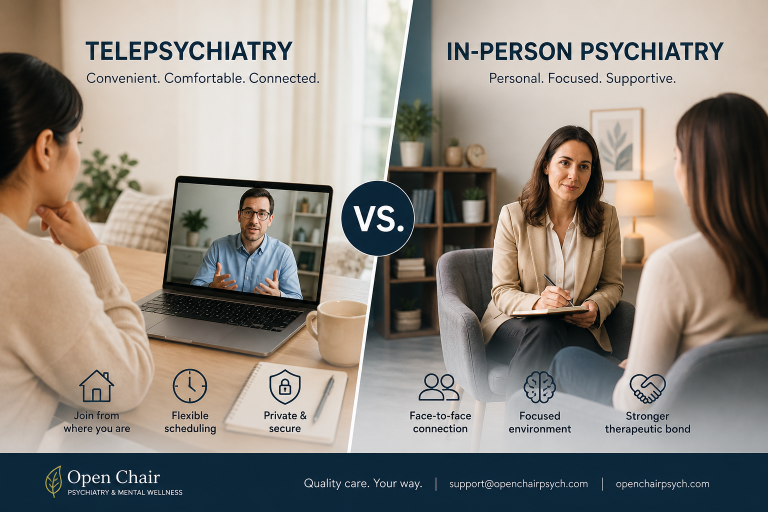
Research suggests telehealth mental health treatment can be effective for many individuals experiencing anxiety and related concerns.